《罪案奇谈》是一档揭秘犯罪案件、深度剖析人性的节目。精心挑选国内真实或引人深思的罪案,通过生动的讲述与专业的分析,带领观众走进犯罪现场,探索案件背后的真相与动机。节目不仅满足了观众对悬疑与推理的渴望,更在无形中普及了法律知识,引发对社会问题的深刻思考。
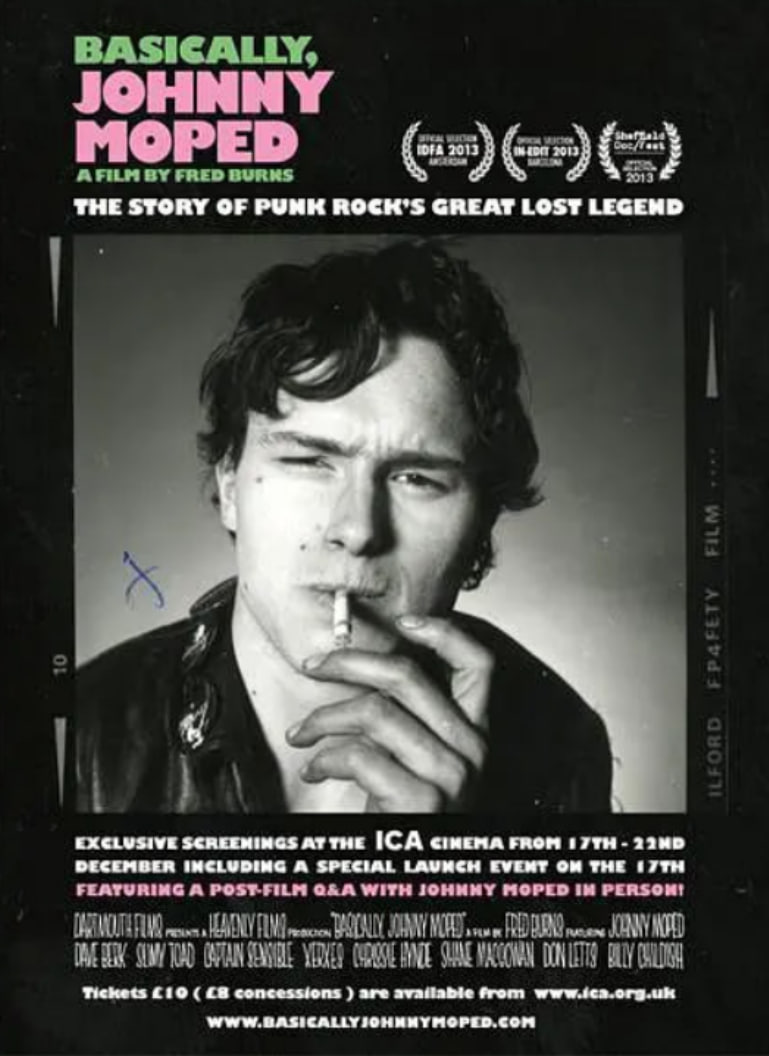
20世纪70年代的“原型朋克”是一种蓬勃发展的青年亚文化,其特征是动荡的友谊和争吵。然而,正是这种特殊的“亚文化”催生了Johnny Moped乐队,这支乐队常被誉为朋克音乐的先驱。他们的前成员包括Captain Sensible和Chrissie Hynde,后者在组建大获成功的乐队The Pretenders之前曾被解雇——两次!。这股强劲和弦漩涡的中心人物是Johnny Moped本人,他是麦克风后势不可挡的“音波恐怖分子”,陷入了爱情与音乐之间忠诚的斗争。当他们破坏了一场原本可以带来唱片合约的演出时,乐队的命运最终被注定。乐队的原始成员(包括Hynde)和一些圈内人士讲述了当时混乱的叛逆精神以及他们目前的重组计划,他们的轶事记录了Johnny Moped的崛起、衰落和回归。
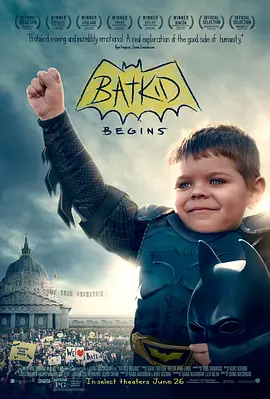
美国5岁男童迈尔斯·斯科特,在1岁半时被诊断出患上白血病。他决定像他最爱的超级英雄“蝙蝠侠”对抗坏人一样,勇敢面对病魔。知道了这件事的人们决定帮他圆梦:2013年11月15日,在旧金山全城的帮助下,他当了一回“蝙蝠侠”。这个故事将被拍成纪录片《小蝙蝠侠出击(BatkidBegins,对应BatmanBegins)》,导演达娜·纳克曼在今年圣迭戈动漫展上放出了预告,计划筹集10万美元资金完成这个纪录片。
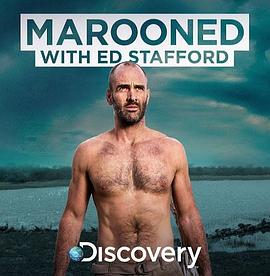
在这一季里,埃德·斯塔福德去了戈壁、危地马拉、纳米比亚、巴塔哥尼亚、菲律宾和挪威。
試當真以8個月時間紀錄一位過去只靠「天才波」的文憑試考生滕毅康,備戰公開試到放榜的心路歷程,在許賢串連各個補習名師加以催谷的情況下,可否在開考前4個月,成功追趕中四至中六未曾搏盡的進度,繼而順利考入大學?同時,曾是末代高考生的許賢以半工讀身份報考文憑試,從實戰中了解現今考生面對的困難及香港教育制度問題,亦透過考試解開埋藏於內心十年的公開試鬱結。
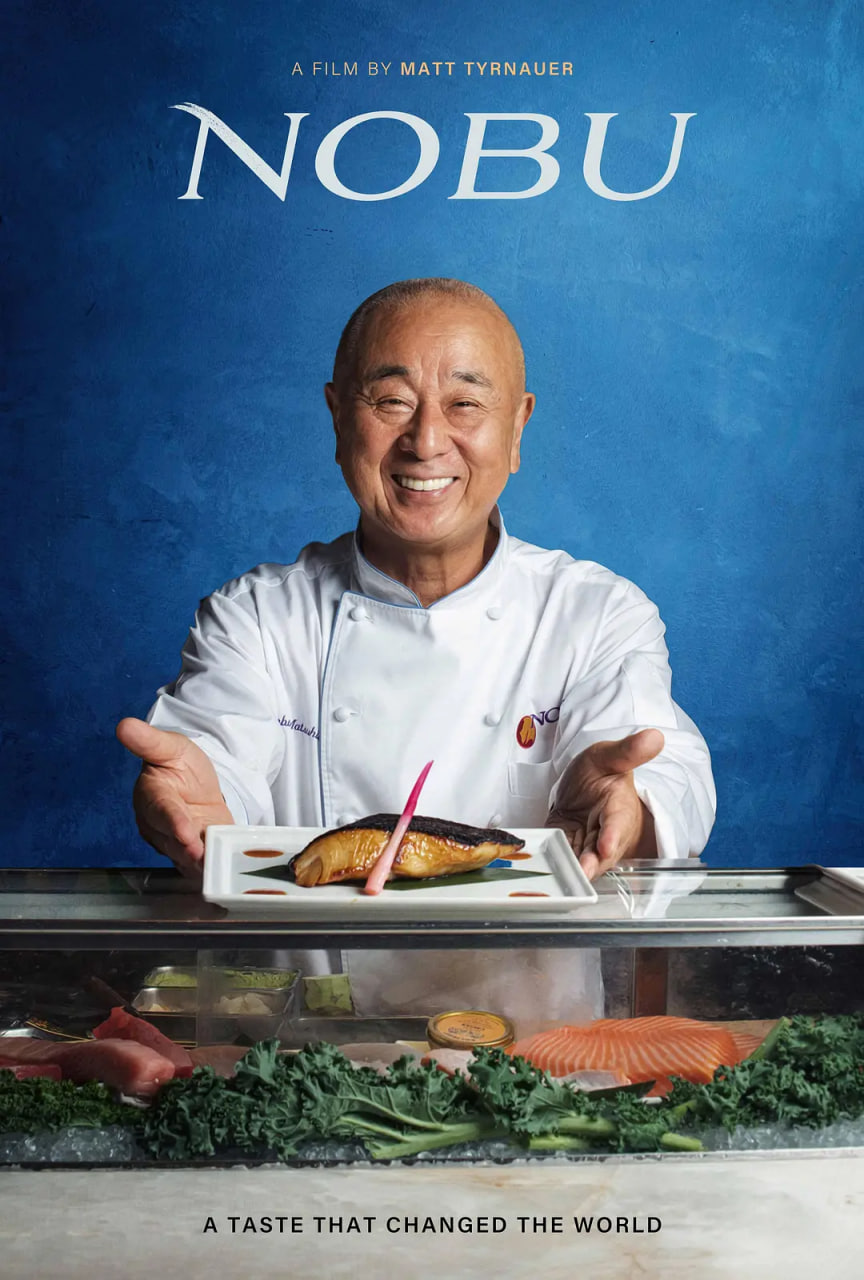
讲述了松久信幸从日本到秘鲁,再到美国以及世界各地许多其他地方的史诗般旅程。
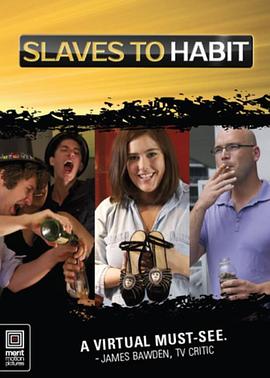
生活中你会有哪些习惯,你会成为这些习惯的奴隶吗?三位挑战者,将在6个星期内尝试改变自己的坏习惯。改变习惯,哪些方法可行,哪些方法不可行,人们到底能不能抵制这种诱惑。
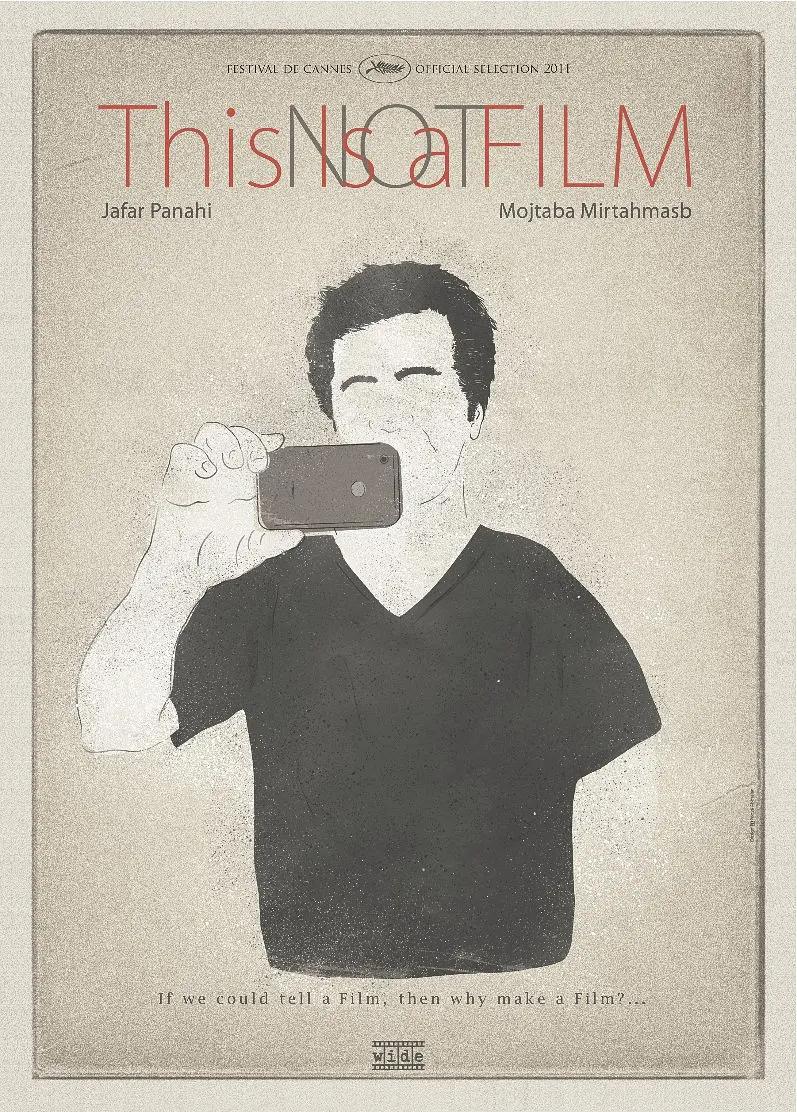
本部纪录片记录了伊朗导演贾法·帕纳西因“宣传反对政权”而被囚禁家中的生活片段。帕纳西把镜头对准自己居住的公寓,对准自己,记录下了自己生活的琐碎点滴。他在等待法院对他的最终判决期间的生活,无聊而绝望。禁止电影制作无疑意味着,他将长期无法从事热爱的电影艺术。影片忠实地记录下了帕纳西面对“艺术之死”后的痛苦与无奈,但最后一个镜头却定格在熊熊烈火中,永不燃尽。 2010年12月20日,伊朗官方宣布了一项震惊电影界的判决:“帕纳西先生因为参加反对伊朗政府的宣传活动而被起诉,他将在狱中度过6年,并被剥夺20年社会权利。其中包括不得制作或者指导任何一部电影,不得创作剧本,不得接受国内国外媒体采访,更不得离开伊朗”。这部经历千辛万苦的影片,终于几经辗转地被秘密装进优盘,带到了第64届戛纳电影节,并入选第36届多伦多电影节的大师单元。
这是一部时长两小时的 NOVA 特别节目,讲述了宾夕法尼亚州基茨米勒诉多佛案的审判过程,该案涉及公立学校教授进化论和智能设计论的问题。纪录片包含对参与者的采访,以及根据真实法庭记录制作的语音重现。多佛案是智能设计论作为科学理论的首次法律检验。
Future of Food In the past year, we have seen food riots on three continents, food inflation has rocketed and experts predict that by 2050, if things don't change, we will see mass starvation across the world. This film sees George Alagiah travel the world in search of solutions to the growing global food crisis. From the two women working to make their Yorkshire market town self-sufficient to the academic who claims it could be better for the environment to ship in lamb from New Zealand, George Alagiah meets the people who believe they know how we should feed the world as demand doubles by the middle of the century. 【India】 George joins a Masai chief among the skeletons of hundreds of cattle he has lost to climate change and the English farmer who tells him why food production in the UK is also hit. He spends a day eating with a family in Cuba to find out how a future oil shock could lead to dramatic adjustments to diets. He visits the breadbasket of India to meet the farmer who now struggles to irrigate his land as water tables drop, and finds out why obesity is spiralling out of control in Mexico. Back in Britain, George investigates what is wrong with people's diets, and discovers that the UK imports an average of 3000 litres of water per capita every day. He talks to top nutritionist Susan Jebb, DEFRA minister Hilary Benn and Nobel laureate Rajendra Pachauri to uncover what the future holds for our food. 【Senegal】 George heads out to India to discover how a changing diet in the developing world is putting pressure on the world's limited food resources. He finds out how using crops to produce fuel is impacting on food supplies across the continents. George then meets a farmer in Kent, who is struggling to sell his fruit at a profit, and a British farmer in Kenya who is shipping out tonnes of vegetables for our supermarket shelves. He also examines why so many people are still dying of hunger after decades of food aid. Back in the UK, George challenges the decision-makers with the facts he has uncovered - from Oxfam head of research Duncan Green to Sainsbury's boss Justin King. He finds out why British beef may offer a model for future meat production and how our appetite for fish is stripping the world's seas bare. 【Cuba】 In the final episode George Alagiah heads out to Havana to find out how they are growing half of their fruit and vegetables right in the heart of the city, investigates the 'land-grabs' trend - where rich countries lease or buy up the land used by poor farmers in Africa - and meets the Indian agriculturalists who have almost trebled their yields over the course of a decade. George finds out how we in this country are using cutting-edge science to extend the seasons recycle our food waste and even grow lettuce in fish tanks to guarantee the food on our plates. He hears the arguments about genetically modified food and examines even more futuristic schemes to get the food on to our plates.